
HORN OF AFRICA · MIDDLE EAST · GREAT POWERS
Verified developments, 20–23 September 2026
Horn of Africa
I · Horn of Africa
A New Rebel Coalition Alarms the UN
Seven Ethiopian armed groups joined forces this week, and the UN’s response was unusually blunt.
1. Ethiopia. Seven Ethiopian opposition and armed groups formally announced a coalition on 20 September, in a statement read live on Tigrai TV by Zemene Kassie, chairman of the Amhara Fano National Movement. UN Secretary-General spokesperson Stéphane Dujarric said the following day that the UN was “deeply concerned” by the worsening security situation, citing the coalition, continued insecurity and reports of drone strikes, and urged all sides back to dialogue. The coalition — which the seven groups are calling the Ethiopian Peoples’ Forces Alliance for Survival, including the Tigray People’s Liberation Front and the Oromo Liberation Army alongside Fano — was independently reported by Al Jazeera and Reuters, not just the Tigrai TV broadcast where it was announced. Whether it holds together in practice, given some of these groups fought each other as recently as the 2020-2022 Tigray war, has not yet been tested. — Al Jazeera; Reuters, 21 September; UN daily press briefing, 21 September.
2. Sudan / diplomacy. Egypt’s foreign minister, Sudan’s foreign minister and US presidential adviser Massad Boulos held trilateral talks in New York this week on a durable peace deal for Sudan, continuing the diplomatic track that reopened last week. — Arab News; Sudan Tribune, ongoing.
Middle East
II · Middle East
Iran Puts a Number on Reopening Hormuz
Seven days, Tehran says — if Washington eases the pressure first.
1. Iran / Strait of Hormuz. A senior Iranian official told Reuters on 22 September that Iran can reopen the Strait of Hormuz within seven days if the United States eases military pressure and lifts its blockade of Iranian ports. The proposal was delivered to Washington through mediators six days earlier, on 16 September. The strait remains effectively closed to normal commercial traffic amid the US-Israel-Iran war. — Reuters, via CNBC and U.S. News, 22 September.
2. Saudi Arabia / air defense. Saudi Arabia has asked France, the United Kingdom, Pakistan and Egypt to deploy air-defense support as its own missile interceptor stocks run low after months of Houthi attacks — described as the first real test of the defense pact Riyadh signed with Turkey and Pakistan in August. — wire reporting via regional outlets, mid-to-late September.
Great Powers
III · Great Powers
Tehran Goes to New York, Not to Trump
Iran’s president is working the UN corridors this week — the Oval Office is not on his itinerary.
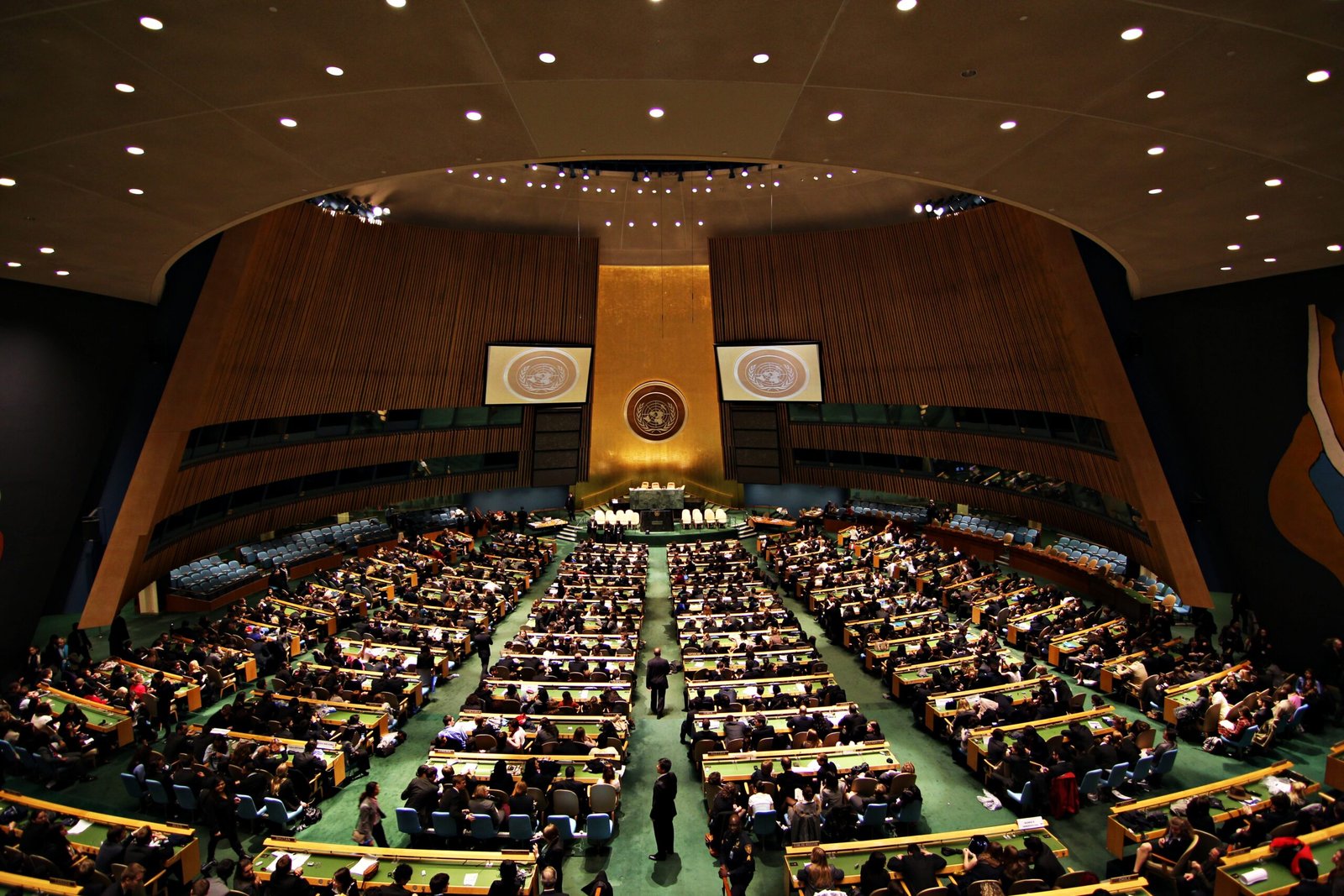
1. Iran / United States. Iranian President Masoud Pezeshkian traveled to New York for the UN General Assembly, planning to use intermediary nations to advance negotiations with Washington rather than direct talks. Officials confirmed Pezeshkian will not meet President Trump at UN headquarters, even as Iran’s mediated Hormuz proposal sits with US officials. — The National; Iran International, 22 September.
Consequences
IV · Consequences & Outlook for the Horn
What This Week Could Mean, Not Just What Happened
1. If the new 20 September rebel coalition holds together despite its members’ own recent history of fighting each other, an Ethiopia has less capacity for external adventurism — this lowers, not raises, the near-term odds of Prime Minister Abiy Ahmed moving on Eritrea’s port of Assab.
2. Ethiopia’s instability is a direct economic exposure for Djibouti, whose port revenue depends heavily on Ethiopian transit trade.
3. If Iran’s Hormuz offer holds, shipping now rerouted around Africa could gradually shift back through Hormuz — quietly reducing the strategic premium now attached to Red Sea and Horn of Africa ports.
4. Saudi Arabia’s outreach to Egypt for air-defense help can reinforce Cairo-Riyadh security ties, a relationship that has previously firmed up Egyptian backing against Ethiopia in the Nile dam dispute.
5. Mitigation. Djibouti’s most direct protection against Ethiopian instability is what it is already doing — diversifying port revenue toward Somaliland’s Berbera corridor and Gulf-state investment, rather than relying on Addis Ababa’s stability alone.
Outlook: the Horn’s sharpest near-term exposure this week is economic and diplomatic, not military.
Red Sea Horn tracks security, politics and trade across the Red Sea corridor and the Horn of Africa. Every claim above is traced to a named outlet; where a claim comes from only one side of a dispute, we say so.